



What Problems Can Digital Smile Design Fix? Expert Insights
Imagine renovating a home without first seeing the blueprint. You might like the idea in your head, but until you see how everything fits together, there’s always uncertainty. The same applies to cosmetic dental treatments. Patients often want a better smile but struggle to visualise the final outcome. That uncertainty can lead to hesitation, unrealistic expectations, or dissatisfaction later.
This is where Digital Smile Designing in Mahim, Mumbai, at Suyog Dental Clinic has transformed the way smile makeovers are planned and delivered. Instead of guessing how veneers, crowns, or alignment changes might look, patients can see a digitally planned version of their future smile before treatment even begins. In this blog, we explore the dental and aesthetic problems Digital Smile Design can fix, how it works, and why it has become an essential part of modern smile planning.
What Is Digital Smile Design?
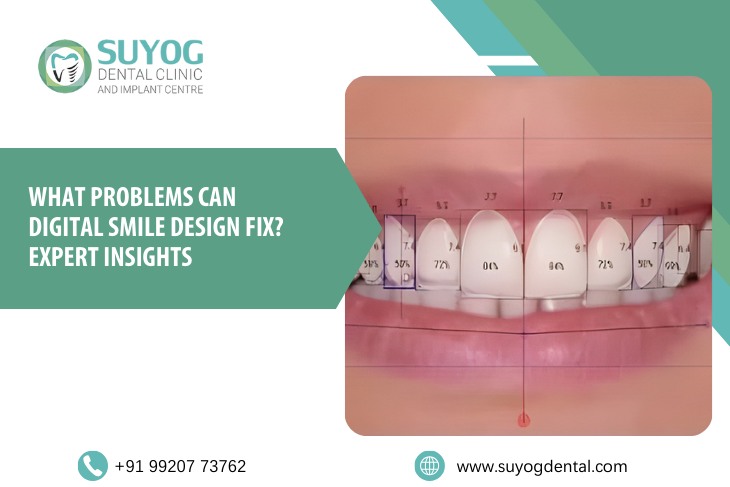
Digital Smile Design is a technology-based planning approach that analyses your smile using photographs, videos, facial measurements, and dental scans. Instead of focusing only on teeth, it considers the entire face, lips, gums, jaw alignment, and expressions.
The result is a customised digital preview of how your smile can look after treatment. This preview helps dentists plan procedures accurately and allows patients to participate actively in the decision-making process.
Why Smile Problems Are Often More Than Just Teeth
Many people believe smile issues are limited to crooked or stained teeth. In reality, a smile is influenced by several factors:
1. Tooth size and shape
2. Tooth alignment and spacing
3. Gum visibility
4. Lip movement
5. Facial symmetry
6. Bite balance
Digital Smile Designing addresses these elements together, rather than treating them in isolation.
Problems Digital Smile Design Can Fix
1. Uneven or Asymmetrical Smiles
One of the most common concerns patients have is an uneven smile. This may involve teeth of different lengths, irregular edges, or an imbalance between the left and right sides.
Digital Smile Design identifies asymmetry by mapping facial reference lines. This helps dentists correct proportions during treatments such as veneers, crowns, or reshaping, ensuring the smile looks balanced when speaking and smiling.
2. Gummy Smiles
Excessive gum display can make teeth appear smaller than they actually are. The cause may be gum overgrowth, short teeth, or lip movement.
With Digital Smile Designing in Mahim, Mumbai, at Suyog Dental Clinic, dentists can evaluate how gums, lips, and teeth interact during expressions. This allows precise planning of gum contouring or restorative procedures to reduce excessive gum visibility while maintaining a natural look.
3. Gaps Between Teeth
Spaces between teeth can affect both appearance and confidence. While orthodontics is one solution, it may not always be the preferred option.
Digital Smile Design helps determine whether gaps can be closed using veneers, bonding, or aligners. The digital preview ensures spacing corrections look natural and proportionate to the face.
4. Crooked or Misaligned Teeth (Mild to Moderate Cases)
Not all alignment issues require long-term braces. Some mild to moderate cases can be corrected with cosmetic restorations.
Digital Smile Design evaluates tooth angles and alignment in relation to facial symmetry. This helps dentists decide whether cosmetic correction is suitable or if orthodontic treatment is necessary.
5. Discoloured or Stained Teeth
Teeth whitening alone may not work for deep stains or uneven discoloration. Veneers or crowns may be needed for consistent shade improvement.
Digital Smile Design allows dentists to plan shade selection based on skin tone, lip colour, and facial features, avoiding overly bright or artificial results.
6. Worn, Chipped, or Broken Teeth
Teeth grinding, aging, or trauma can cause teeth to appear worn down or uneven.
Through Digital Smile Design, dentists can digitally rebuild tooth shape and length before treatment. This ensures restorations restore function and appearance without altering bite balance.
7. Poor Smile Proportion
Sometimes teeth may be healthy but poorly proportioned, too short, too narrow, or disproportionate to the face.
Digital Smile Design uses mathematical ratios and facial landmarks to correct proportions. This results in a smile that complements facial features rather than overpowering them.
8. Unclear Expectations About Smile Makeovers
One of the biggest problems DSD solves is uncertainty. Patients often struggle to explain what they want, and dentists may interpret expectations differently.
At Suyog Dental Clinic, Digital Smile Designing creates a shared visual reference. Patients can see, suggest changes, and approve the plan before treatment begins, reducing misunderstandings.
How Digital Smile Design Improves Treatment Accuracy
Traditional smile makeovers relied heavily on verbal discussions and the dentist's experience. While effective, this approach had limitations.
1. Digital Smile Design enhances accuracy by:
2. Creating measurable treatment goals
3. Reducing guesswork
4. Improving communication between the dentist and the patient
5. Supporting predictable outcomes
This precision is especially useful for complex cosmetic cases involving multiple procedures.
Who Can Benefit from Digital Smile Designing?
Digital Smile Design is ideal for patients who:
1. Are planning veneers or crowns
2. Want a smile makeover
3. Have multiple aesthetic concerns
4. Desire predictable cosmetic results
5. Want to be involved in treatment planning
Patients considering Digital Smile Designing in Mahim, Mumbai, at Suyog Dental Clinic appreciate the clarity it provides before committing to treatment.
How Digital Smile Design Fits Into Treatment at Suyog Dental Clinic
At Suyog Dental Clinic, Digital Smile Design is used as a planning foundation rather than a standalone service. It helps integrate cosmetic, restorative, and functional dentistry into one cohesive plan.
This approach ensures:
1. Natural-looking results
2. Functional bite alignment
3. Long-term oral health
4. Patient satisfaction
Each smile plan is customised, taking into account dental health, facial structure, and lifestyle.
Does Digital Smile Design Replace Clinical Judgment?
No. Digital tools assist planning, but clinical expertise remains essential. Dentists interpret digital data, assess oral health, and select safe, sustainable treatments.
Digital Smile Design supports decision-making; it doesn’t replace professional judgment.
Is Digital Smile Design Only for Cosmetic Dentistry?
While commonly associated with cosmetic treatments, Digital Smile Design also helps in:
1. Restorative dentistry
2. Full-mouth rehabilitation
3. Implant planning
4. Bite correction
Its value lies in comprehensive planning rather than cosmetic enhancement alone.
Why Digital Smile Design Matters
A smile makeover should never be based on guesswork. Digital Smile Design brings clarity, predictability, and confidence to dental treatment planning. By addressing issues such as uneven smiles, gaps, discoloration, gum display, and poor proportions, it ensures the final result aligns with both facial harmony and patient expectations.
If you are considering Digital Smile Designing in Mahim, Mumbai, Suyog Dental Clinic offers a structured, patient-focused approach that prioritises accuracy, communication, and long-term satisfaction. Seeing your future smile before treatment begins makes all the difference.
FAQs
1. Is Digital Smile Design suitable for everyone?
Digital Smile Design is suitable for most patients seeking cosmetic or restorative dental treatment. It is especially helpful for those planning veneers, crowns, or smile makeovers. However, treatment feasibility depends on oral health, bite condition, and gum status. A clinical evaluation is always required before proceeding.
2. Does Digital Smile Design guarantee final results will match the preview?
Digital Smile Design provides a highly accurate visual guide, but it is a planning tool rather than a promise. Final results depend on biological factors such as healing, tooth structure, and material response. That said, DSD significantly improves predictability compared to traditional planning methods.
3. Does Digital Smile Design increase treatment cost?
Digital Smile Design may add a planning step, but it often helps avoid unnecessary procedures and revisions. Clearly defining treatment goals can reduce errors and improve efficiency. Many patients find the clarity and confidence it provides well worth the investment.